Last updated: October 2026
Heads up: this post may contain affiliate links. If you buy through them, I may earn a small commission at no extra cost to you. Details on the Disclosure page.
Korean skincare labels read like a fever dream. Snail. Salmon DNA. Mugwort. Rice water. A plant that smells like fish. If you’ve stood in Olive Young thinking “wait, I’m putting what on my face?”, this one’s for you.
Here’s every weird-sounding K-beauty ingredient you’ll keep seeing, what it actually is, why Koreans love it, and whether it’s worth your money. No chemistry degree required.
⚡ TL;DR: Most “weird” K-beauty ingredients are about one thing: calming and hydrating skin instead of attacking it. Pick by your skin problem, not by the hype. And always patch test.
The cheat sheet
| Ingredient | Best for | Vibe |
|---|---|---|
| Centella (cica) | Redness, irritation | The calm-down friend |
| Heartleaf (eoseongcho) | Breakouts, oily skin | The acne-prone bestie |
| Snail mucin | Dryness, dullness | Weird but iconic |
| Mugwort (ssuk) | Sensitive, reactive skin | Grandma’s herbal secret |
| Rice | Dull, uneven tone | The glow-up |
| Ginseng | Tired, dull skin | The luxury classic |
| Propolis | Dry, dull, sensitive skin | Honey-adjacent glow |
| PDRN (salmon DNA) | Texture, “glass skin” goals | The 2025–2026 trend of the moment |
The ingredients, decoded
1. Centella asiatica (시카, cica)
What it is: a leafy plant traditionally used on minor wounds, full of soothing compounds like madecassoside.
Why K-beauty loves it: it calms redness and supports an irritated skin barrier. It’s probably the most famous K-beauty ingredient on the planet.
Find it in: almost every brand. My full breakdown is in the 8 cica products worth buying.

2. Heartleaf (어성초, eoseongcho)
What it is: Houttuynia cordata, a plant whose Korean name literally means “fish smell herb.” Yes, really.
Why K-beauty loves it: it’s used to soothe angry, breakout-prone skin. Don’t worry, the products don’t smell like fish.
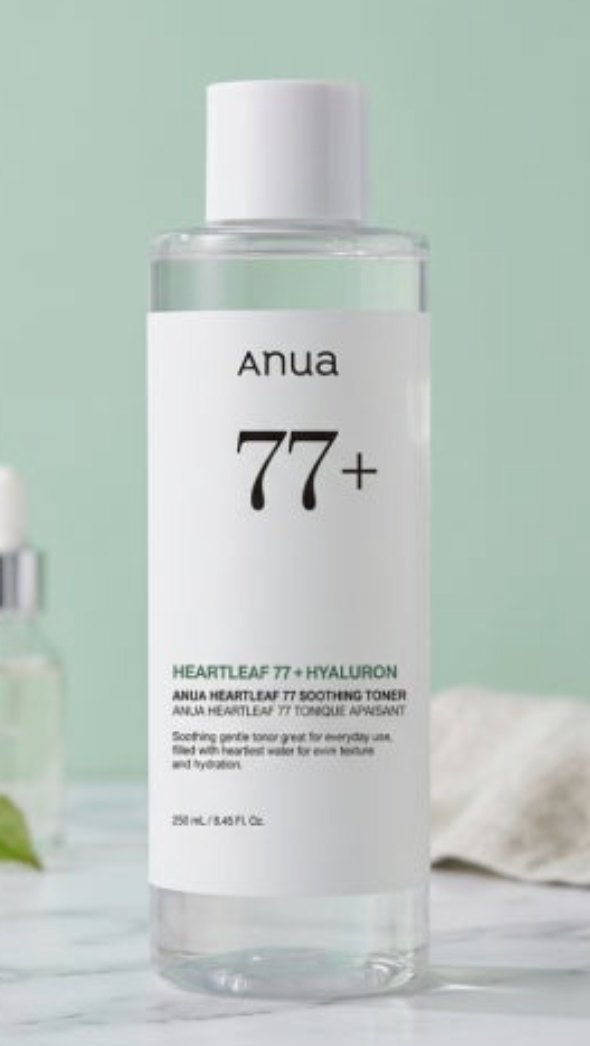
Find it in: Anua’s Heartleaf 77 Toner, the viral one. See my Olive Young guide.

3. Snail mucin (달팽이 점액)
What it is: the slime snails produce, filtered and purified. Usually listed as “snail secretion filtrate.”
Why K-beauty loves it: it’s rich in hydrating and soothing components, and people love it for bounce and glow. It feels slippery and gel-like on the skin.
Find it in: COSRX’s Advanced Snail 96 Mucin Power Essence is the cult one.
Skip it if: you’re vegan or allergic. Some people with sensitive skin also react to it.


4. Mugwort (쑥, ssuk)
What it is: Artemisia, a bitter herb Koreans have used in food, teas, and traditional baths for generations.
Why K-beauty loves it: it’s known for soothing sensitive, reactive skin. Think of it as cica’s herbal cousin.
Find it in: I’m From Mugwort Essence, plus lots of mugwort toners and masks.


5. Rice (쌀, ssal)
What it is: rice extract, rice ferment, or rice water. Koreans have a long tradition of washing their faces with rice water.
Why K-beauty loves it: it’s associated with a soft, brightened, even look. Rice ferments are especially popular.
Find it in: Beauty of Joseon’s rice products (including the Relief Sun), I’m From Rice Toner.

6. Ginseng (인삼, insam)
What it is: the famous Korean root, prized in traditional medicine for centuries.
Why K-beauty loves it: it’s positioned for tired, dull, “I need a vacation” skin, and it’s the star of many luxury Korean lines.
Find it in: Sulwhasoo is the luxury icon. Budget brands use it too.

🤫 Friend tip: Want the full ginseng experience? Visit Sulwhasoo’s hanok flagship in Bukchon. It’s part store, part gallery, and sometimes runs ginseng classes. Easy to add to the palace day in my 5-day Seoul itinerary.


7. Propolis (프로폴리스)
What it is: a resin-like substance bees make to protect their hive.
Why K-beauty loves it: it’s loved for a hydrated, glowy, honey-like finish and for calming dull skin.
Find it in: CNP’s Propolis Ampoule and lots of “honey glow” serums.
Skip it if: you’re allergic to bee products. This one’s important.


8. PDRN (salmon DNA)
What it is: polydeoxyribonucleotide, typically derived from salmon. It started in Korean dermatology clinics and moved into regular skincare.
Why K-beauty loves it: it’s the trend of the moment, marketed for skin texture and that “glass skin” look. Plenty of hype, so keep expectations realistic.
Find it in: VT’s PDRN line, and a growing number of “salmon” serums and creams.
Skip it if: you avoid fish-derived ingredients.


🔥 Hot take: If a product’s main selling point is a single trendy ingredient in giant letters, check the ingredient list. If it’s hiding near the bottom, you’re paying for the font size.
How to actually read a K-beauty label
- Ingredients are listed from most to least. The first five tell you what the product really is.
- Percentages on the front (like “77%” or “96%”) usually refer to the share of that extract in the formula, not magic potency.
- “Water-free” or “extract-based” formulas use a plant extract instead of plain water as the base. Fancy, sometimes better, not always.
- Patch test anything new behind your ear for a few days. Natural doesn’t mean gentle.
🙅 Skip: buying one of every trendy ingredient at once.
👉 Do this instead: pick one problem (redness? dryness? breakouts?), choose one ingredient for it, and give it 4 to 6 weeks before judging.
FAQ
Which K-beauty ingredient is best for acne-prone skin?
Heartleaf and centella are the go-tos for calming breakouts and redness. They support your skin, but they’re not acne treatments. For persistent acne, see a dermatologist.
Is snail mucin actually from snails?
Yes. It’s collected and filtered, and brands generally say the snails aren’t harmed. If that bothers you, skip it.
Are “natural” K-beauty ingredients safer?
Not automatically. Plant extracts can irritate sensitive skin too. Patch test everything.
Which ingredient freaked you out the most the first time you saw it? (Mine was salmon DNA. I’m still not over it.)
This post shares general ingredient and product information, not medical advice. If you have a skin condition or allergy, talk to a dermatologist first.
Leave a Reply